
Gameplay & Mechanics
Master REALISTIC HOME DEFENSE mechanics — realistic weapon handling, recoil control, stance play, leaning and close-quarters defense tactics.
Introduction
Gameplay & Mechanics is where REALISTIC HOME DEFENSE stops being just another shooter and becomes a tactical experience. The core ideas are realistic weapon handling, tactical movement and a defense loop built around protecting your home under pressure. This category explains the systems underneath the action: how recoil and fire modes shape gunfights, why crouch, prone and lean change the geometry of every engagement, and how the home defense loop rewards smart decisions over fast reflexes. Understanding these systems is what separates defenders who panic from defenders who hold their ground and win. The category also prepares you for the rest of the wiki: every weapon, control and money tip on this site plugs back into the systems explained here, so mechanics content forms the shared foundation that ties the whole resource together.
Core Mechanic Breakdown
| Mechanic | What It Does | How to Use It | Why It Wins |
|---|---|---|---|
| Recoil Control | Guns kick as they fire | Pull against the pattern, burst instead of spraying | Keeps shots on target in firefights |
| Fire Modes | Switch between semi and auto | Tap V on PC or RB on console | Saves ammo and improves accuracy at range |
| Stances | Crouch and prone change your profile | Press C or B to go lower | Shrinks your hitbox behind cover |
| Leaning & Corners | Lean peeks around cover | Use Q / E or the D-Pad | Peeks angles without exposing your body |
| Movement & Sprint | Sprint to reposition fast | Hold Shift or L3 | Lets you escape bad fights and rotate |
Mechanic Library
Realistic Weapon Handling
Weapons in REALISTIC HOME DEFENSE follow realistic rules: manual reloads, visible recoil and switchable fire modes. That means every pull of the trigger is a decision, and mastering reload timing — reloading only when you can do it safely — is the single biggest mechanical upgrade most players can make.
Fire Modes & Discipline
Semi-auto, burst and full-auto fire modes give you control over ammo and accuracy. In tight hallways, full auto can win fast; at longer sightlines, switching to semi or controlled bursts keeps your shots grouped. Knowing which mode fits each distance is a core defender skill.
Stances: Crouch & Prone
Crouch and prone shrink your silhouette and change how cover works. Crouch lets you hold half-height cover that would otherwise expose your whole body, while prone is the ultimate low-profile option for narrow doorways and sightlines. Each stance trades mobility for protection, and knowing when to drop is its own tactical skill.
Leaning & Corner Control
Leaning with Q/E or the D-Pad lets you peek around corners with only your head exposed instead of your whole body. Combined with smart corner control — moving along the wall, exposing yourself for the shortest possible window — leaning turns the entire house into an advantage. Attackers who push through doorways have to reveal themselves before they can see you.
Movement & Sprint
Movement is how you control the fight. Sprinting with Shift or L3 lets you reposition between defense points, escape grenade or pressure situations, and reach staircases before attackers seal them off. The key is knowing when sprint speed is worth the trade-off of lowered readiness — sprint to rotate, then walk to stay quiet and keep your weapon up.
Core Mechanics
The mechanical core of REALISTIC HOME DEFENSE is a feedback loop between your gun, your body and the house itself. Your gun behaves realistically: manual reloads take time, recoil pushes your aim, and fire modes change how every shot behaves. Your body gives you options: sprint for speed, crouch and prone for a smaller profile, and lean for safe peeks. The house turns those tools into strategy — hallways funnel attackers, doorways create choke points and corners decide who shoots first. Good players read all three at once, weaving the mechanics into a flow of peek, shoot, move, re-position that makes the home feel like it is fighting on your side.
Advantages
This category is the intellectual heart of the wiki. Gameplay mechanics content stays relevant through patch cycles because systems and decision-making — how to hold a corner, when to crouch, how to control recoil — age better than raw numbers. It also directly answers the questions players actually ask: players search for recoil control tips, stance guides and fire-mode explanations far more than they search for changelogs. The mechanics here match the game's own marketing identity — realistic weapon mechanics and tactical movement — so the category complements the developer's stated core experience and gives readers exactly the depth they came for.
Challenges
The main risk in this category is speculation. The game is young — it launched in October 2026 — and the developers have not published official numbers for recoil patterns, damage or movement stats. Community claims must be clearly labeled as player reports rather than confirmed fact, and anything that looks like a secret or hidden mechanic should be presented with suspicion until verified on video. The other weakness is volume: mechanics content can easily balloon into dozens of near-duplicate articles about the same systems, so editors need to keep each mechanic covered once, in depth, rather than many shallow fragments.
Frequently Asked Questions
How do I control recoil in REALISTIC HOME DEFENSE?+
When should I use crouch instead of prone?+
Why should I switch fire modes mid-fight?+
Is movement more important than aiming in this game?+
Quick Tips
Master one stance per week rather than all at once. Week one, force yourself to crouch behind every low piece of cover you pass. Week two, add prone for long hallways. Week three, weave lean peeks into every corner. Each stance becomes a reflex separately, and after a month the full movement kit is automatic instead of overwhelming.
Pair your fire mode with the room. Before you hold an angle, ask: is this engagement going to happen inside ten meters or past twenty? Inside, full auto; outside, semi or burst. Set the mode when you enter the zone, not when the fight starts — fumbling the V or RB key mid-gunfight is a death sentence.
Learn the funnel points of the house. Every map-style layout in defense games has a few spots where attackers bottleneck — narrow hallways, stair landings, single doorways. Defending these funnels with a lean peek and a controlled burst is how one defender stops a push. Rotate between funnels rather than standing in one spot, so attackers never know where your next angle will come from.
Practice the peek-shoot-unpeek rhythm until it feels boring. Lean out, acquire, fire, un-lean — the whole cycle should take less than a second. Repetition makes the habit fast enough to matter, and when the habit is fast you will win trades against players who walk into corners fully exposed and stand still to aim.
Featured
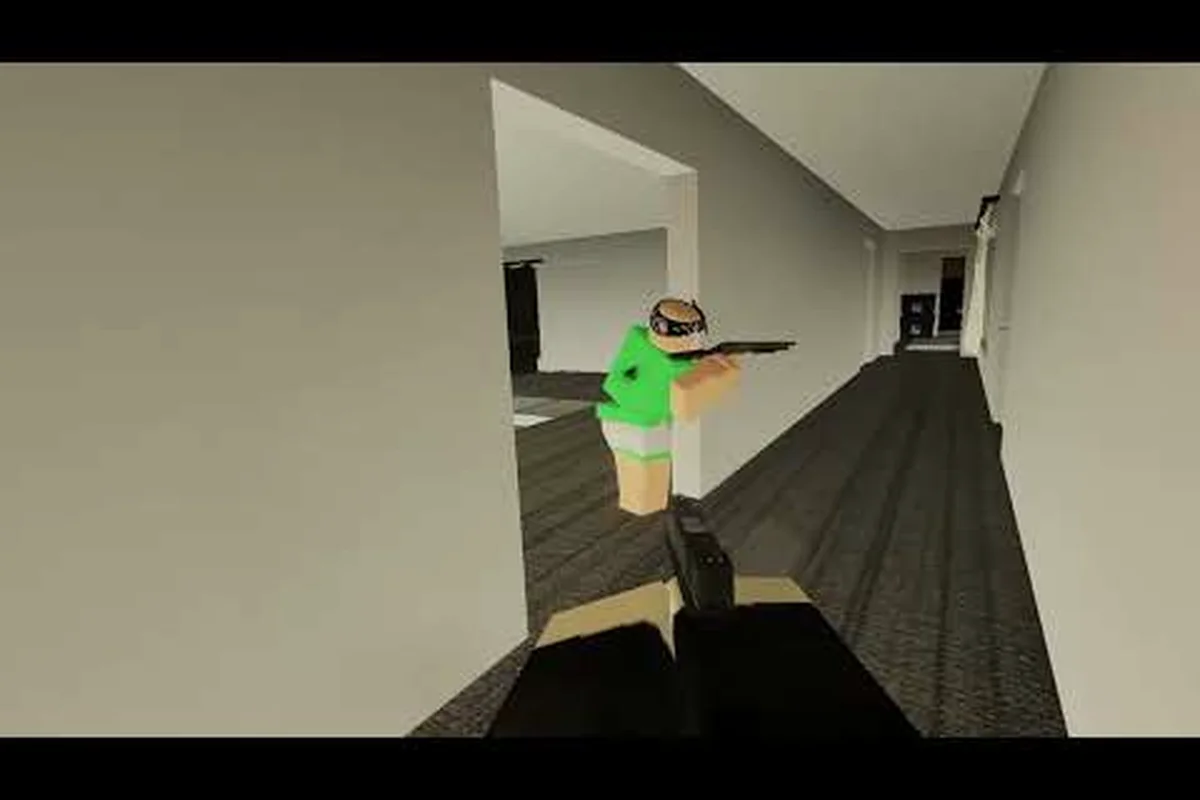
REALISTIC HOME DEFENSE Aim Down Sights: Recoil & Hip Fire
Learn REALISTIC HOME DEFENSE aim down sights gunplay: how recoil climbs while scoped, when hip fire wins, and why close fights end fast.
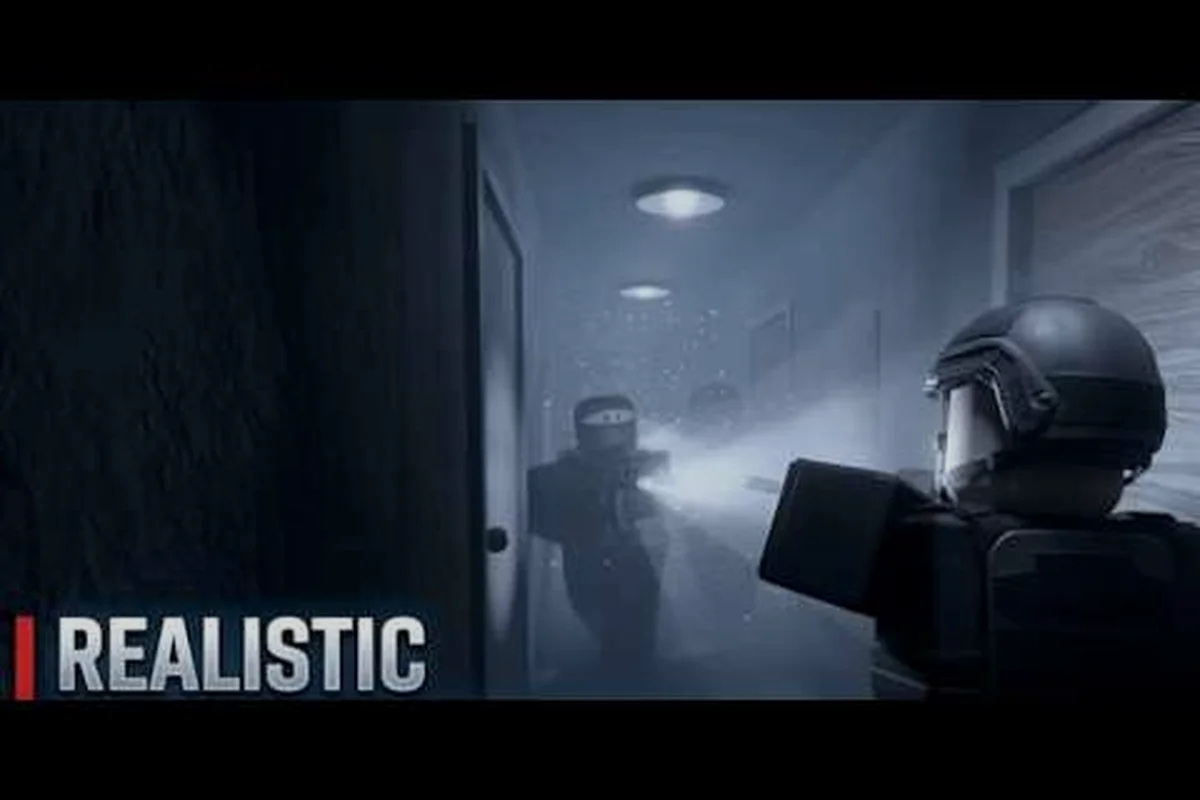
REALISTIC HOME DEFENSE Defensive Positioning: Hold Corners
Learn REALISTIC HOME DEFENSE defensive positioning: pick corners that funnel attackers, time your peeks, and switch fire modes so every doorway becomes a trap.
REALISTIC HOME DEFENSE Game Mechanics: Fire Modes & Handling
Break down the REALISTIC HOME DEFENSE game mechanics: how fire modes, weapon handling, and tactical movement interact when a breach starts at your door.
All Articles
REALISTIC HOME DEFENSE Hallway Tactics for Tight Fights
Turn narrow halls into kill zones with REALISTIC HOME DEFENSE hallway defense tactics: clearing order, mid-fight weapon swaps, and smart interact use.
REALISTIC HOME DEFENSE Movement Guide: Sprint, Crouch & Lean
This REALISTIC HOME DEFENSE movement guide explains when sprinting gets you killed, how crouch and lean change your aim, and how to shoot while moving.
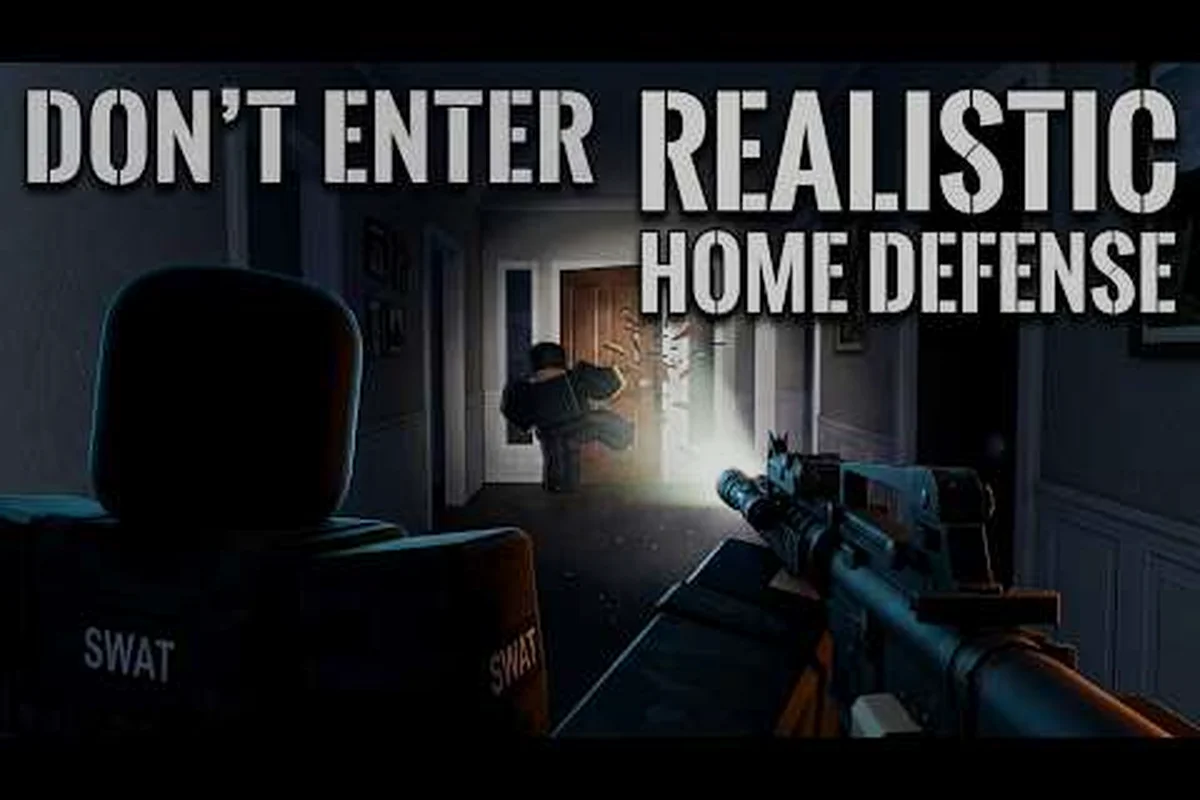
REALISTIC HOME DEFENSE Reaction Time Tips for Faster Fights
Sharpen REALISTIC HOME DEFENSE reaction time with pre-aimed doorways, readable push timing, and PvP habits that shorten the gap between spotting and shooting.