
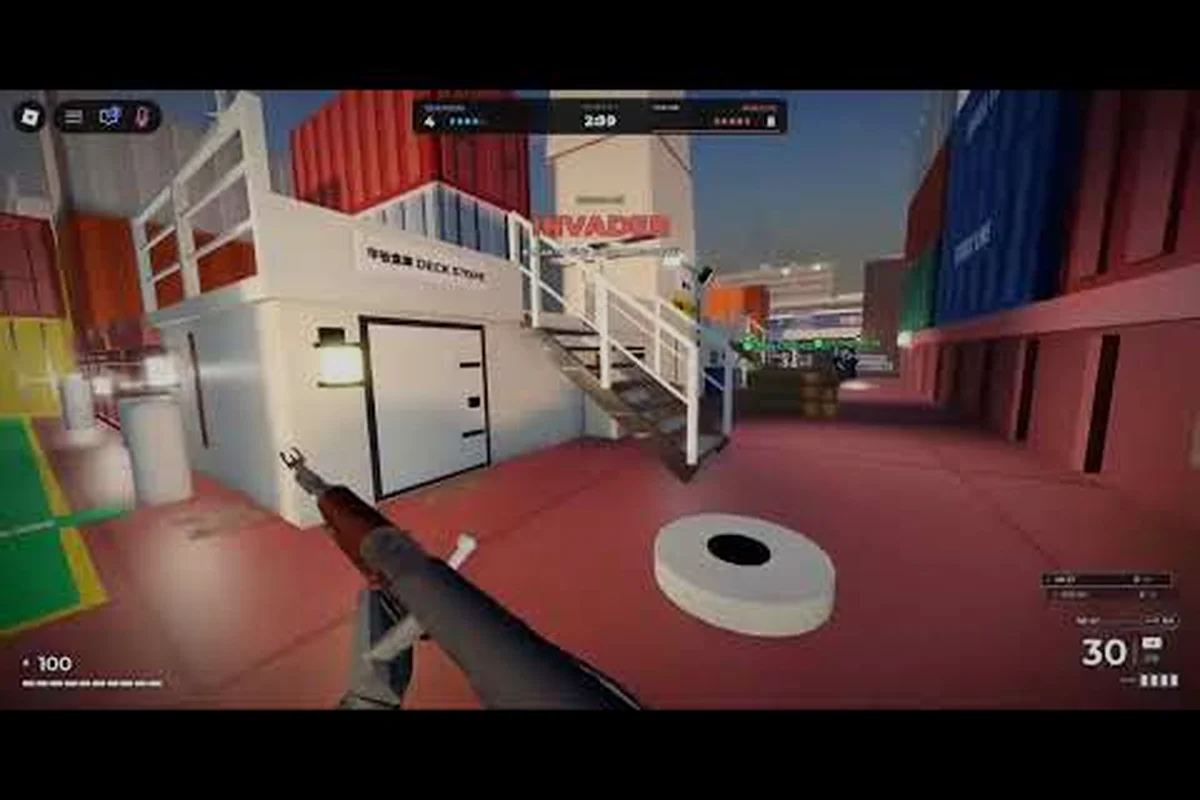
Tracking the REALISTIC HOME DEFENSE version history is the fastest way to understand why the game feels so different from the shaky alpha builds that first appeared on Roblox. This breakdown walks each era of the game, showing exactly what changed in gunplay, defense tools, and stability so you can see how far the experience has come.
Why the REALISTIC HOME DEFENSE Version History Matters
The REALISTIC HOME DEFENSE version history is more than a nostalgia trip. Each build reflects a specific design decision — from the earliest alpha where intruders behaved unpredictably, to later patches that tightened hit detection and rebalanced defensive gear. Understanding that arc helps you judge whether current mechanics are intentional or leftover quirks.
Early alpha footage captured by creators like DeezNuts112's alpha gameplay video shows a rougher experience: fewer defensive options, looser weapon handling, and intruder AI that often ignored cover. Comparing that footage to modern builds reveals the core improvements the developer prioritized.
If you want the reverse angle — what is coming next rather than what already shipped — the upcoming update breakdown covers announced changes and community-reported balance tweaks. For now, the goal here is a clean, build-by-build rundown of what actually changed.
Key reasons players dig into the patch log: the realistic home defense version history doubles as a diagnostic tool. When a run ends with an intruder slipping past a barricade you trusted, the changelog tells you whether that barricade's collision mesh was reworked or its placement cost was rebalanced in a later build — turning a frustrating loss into a traceable design change rather than a mystery. Reading builds in sequence also exposes how fixes cascade: tightening hit detection in one patch often forced the developer to retune weapon spread and intruder pathfinding in the next, so a single "minor fix" note can explain several downstream balance shifts you would otherwise blame on bad luck.
-
Hit detection went from forgiving to precise, changing how you aim under pressure.
-
Defensive tools expanded from a handful of barricades to layered traps and alarms.
-
Intruder AI gained pathfinding and flanking behavior in later builds.
-
Performance fixes cut the stutter that plagued crowded defense scenarios.
The Alpha Era: First Playable Builds
The alpha era is where the REALISTIC HOME DEFENSE version history begins, and it is the most instructive period for anyone curious about the game's DNA. These builds were rough, but they established the core loop: fortify a home, survive waves of intruders, and manage limited resources between attacks.
What Early Alpha Actually Looked Like
Alpha builds shipped with a small defensive toolkit. Players relied heavily on basic barricades and a single sidearm, and the intruder AI frequently walked into walls or clustered at doorways. According to alpha-era gameplay captures, weapon recoil was minimal and shots often registered late, which made firefights feel floaty rather than tense.
The alpha also lacked the layered trap systems that define modern play. You could board windows and doors, but there was no alarm network or motion detection, so intruders could slip through unguarded gaps without warning. That single limitation shaped nearly every defensive strategy of the period.
Alpha Build Comparison
| Alpha Build | Core Focus | Notable Limitation |
|---|---|---|
| First playable alpha | Basic fortification loop | Intruder AI ignored cover |
| Mid-alpha patch | Sidearm handling tweaks | Late hit registration |
| Late alpha | Added second barricade type | No alarm or detection tools |
| Final alpha | Stability pass | Limited weapon variety |
The pattern across these builds is consistent: each patch fixed one glaring issue while exposing another. That iterative rhythm is exactly what you would expect from a solo or small-team Roblox project, and it explains why the REALISTIC HOME DEFENSE patch log reads like a series of targeted repairs rather than sweeping redesigns.
What Changed in the Transition Builds
The transition period is the most interesting stretch of the REALISTIC HOME DEFENSE version history because it is where the game stopped feeling like a prototype. Developers tightened the shooting model, added detection tools, and began tuning intruder behavior to punish lazy defenses.
Gunplay and Hit Detection Overhaul
The biggest shift came in how shots registered. Earlier builds let players spray with little penalty, but transition patches introduced recoil patterns and tighter hitboxes, forcing deliberate aim. Community reports note that firefights suddenly required cover management, since standing in the open during a reload became a genuine risk.
Weapon variety also expanded. Where alpha offered essentially one reliable sidearm, transition builds added multiple firearms with distinct handling profiles. That variety pushed players to think about which weapon matched their defensive layout rather than defaulting to a single loadout.
New Defensive Systems
Detection tools arrived during this stretch and reshaped the meta. Motion sensors, alarm triggers, and improved barricade durability gave defenders information they previously lacked — a motion sensor covering a rear window, for example, now buys enough warning to rotate from the front door before an intruder finishes breaching, converting blind guesswork into a deliberate response. Reinforced barricades compound that edge by extending hold time at chokepoints, so each second of early warning translates into a real defensive window rather than a scramble. The table below summarizes the practical impact of these additions.
| Feature Added | Era | Practical Effect |
|---|---|---|
| Motion sensors | Transition builds | Early warning on flanking intruders |
| Reinforced barricades | Transition builds | Longer hold time at chokepoints |
| Multiple firearms | Transition builds | Loadout variety and tradeoffs |
| Improved intruder pathing | Late transition | Fewer AI stalls, more pressure |
These changes are why veterans describe the transition era as the moment the game "grew teeth." The REALISTIC HOME DEFENSE what changed question is answered most clearly here: the game moved from a sandbox of loose mechanics to a tense, information-driven defense sim.
The REALISTIC HOME DEFENSE Big Update and Modern Era
The REALISTIC HOME DEFENSE big update marked the clearest dividing line in the version history. It bundled AI improvements, performance work, and new defensive options into a single push, and it is the build most current players consider the "real" starting point.
Intruder AI and Difficulty Tuning
Modern builds give intruders genuine pathfinding. They flank, regroup, and probe weak points instead of funneling into a single doorway. That behavior change raised the skill ceiling considerably, because a defense that worked in alpha — one barricaded entrance and a clear line of sight — now leaves obvious gaps.
Difficulty tuning accompanied the AI work. Wave pacing tightened, and resource management between waves became a real decision rather than a formality. Players now weigh repairing a barricade against saving materials for a trap upgrade, a tradeoff that barely existed in earlier builds.
Performance and Stability Fixes
The big update also targeted the stutter that plagued crowded scenes. Frame drops during heavy waves were a persistent complaint in community threads, and the modern era addressed many of them through optimization passes. The result is smoother aiming during the exact moments that matter most.
For a closer look at the newest content drops layered on top of this foundation, the new weapons update rundown digs into the latest additions. The modern era is not a single patch but an ongoing stream of refinements, and each one builds on the systems introduced during the big update.
| Modern Era Change | Impact on Play |
|---|---|
| Flanking intruder AI | Requires layered, multi-angle defense |
| Resource tradeoffs | Forces repair-vs-upgrade decisions |
| Optimization passes | Smoother aiming in heavy waves |
| Expanded trap options | More build variety per run |
REALISTIC HOME DEFENSE Update for Beginners: Reading the Patch Log
New players often ask why the REALISTIC HOME DEFENSE update for beginners matters when they just want to jump in. The answer is that the patch log explains why certain strategies work and others fail — and knowing the history prevents you from copying outdated tactics from old videos.
How to Use the Patch Log
Treat the patch log as a strategy document. When a build notes that hit detection tightened, it means aggressive spraying is now punished. When a build adds detection tools, it means information gathering became a viable defensive layer. Reading changes through that lens turns patch notes into practical guidance.
A few habits help: cross-reference each patch entry against the build number it shipped under, since the realistic home defense patch log sometimes bundles a stealth fix (like adjusted intruder pathing noise) into a build labeled only for UI changes, and missing that mismatch leads players to blame their loadout instead of the AI tweak. When a build note mentions rebalanced trap durability, treat it as a signal to re-test your entry-point choke rather than assume the old placement still holds.
-
Check the build date before trusting a strategy video, since alpha tactics often fail in modern builds.
-
Track AI changes closely, because intruder behavior shifts invalidate old chokepoint setups.
-
Note performance fixes, since smoother frames make precise aiming more reliable than it once was.
The full update log overview is a solid companion if you want the raw sequence of patches alongside this narrative rundown. Where this version history explains why a change reshaped defensive play, the log preserves the when — exact build numbers, hotfix ordering, and the smaller tweaks that never earned their own headline but still moved intruder pathing noise or trap durability values. Together, they give beginners both the story and the specifics, so you can trace any balance shift back to the build that introduced it and judge whether an old chokepoint guide predates or postdates the fix.
Common Beginner Mistakes Rooted in Old Builds
Many beginner errors trace directly to alpha-era habits. Boarding a single entrance and camping a sightline was viable when intruders lacked pathfinding, but modern AI punishes that laziness. Similarly, spraying during reloads worked when hit detection was forgiving; today it wastes ammo and exposes you.
Understanding the REALISTIC HOME DEFENSE version history fixes these habits at the source. The patch log shows a clear arc: early builds rewarded static camping because intruder pathfinding was linear, but the mid-cycle updates introduced flanking routes and breach-and-clear behavior that punish a single boarded entrance. Later patches tightened hit detection and added reload-punish windows, which is why spraying during a reload now drains your magazine and leaves your sightline exposed. Once you trace how the game evolved toward precision aiming and layered defense — barricades backed by fallback positions rather than one fortified door — the correct modern approach becomes obvious rather than mysterious.
Comparing Eras Side by Side
A direct comparison makes the REALISTIC HOME DEFENSE update rundown easier to absorb, especially once you map each era against the three systems that define it: gunplay feel, intruder AI, and defense depth. Reading the columns left to right shows cause and effect rather than isolated changes — the Alpha's floaty, forgiving shooting paired with stalling, clustering intruders meant basic barricades were enough, while the Transition era's recoil model and improved pathing forced players to add sensors and alarms before intruders could probe a flank. The table below condenses the major eras into a single view, so you can see the trajectory at a glance and trace how each patch log entry built on the last.
| Era | Gunplay Feel | Intruder AI | Defense Depth |
|---|---|---|---|
| Alpha | Floaty, forgiving | Stalls and clustering | Basic barricades only |
| Transition | Recoil introduced | Improved pathing | Sensors and alarms added |
| Big update | Precise, punishing | Flanking and probing | Layered traps and tradeoffs |
| Modern | Refined, consistent | Adaptive pressure | Full toolkit variety |
The trend line is unmistakable: every era pushed the game toward more precision, more information, and more meaningful decisions. That is the through-line of the REALISTIC HOME DEFENSE version history, and it explains why the current build demands planning rather than reflexes alone.
What Veterans Notice Most
Long-time players consistently point to two shifts. First, the move from reactive defense to proactive defense — sensors and alarms let you act before intruders reach a chokepoint. Second, the shift from single-loadout play to situational loadouts, where weapon choice follows your defensive layout rather than personal preference.
Both shifts trace back to specific builds, which is why the REALISTIC HOME DEFENSE new features list reads like a roadmap of escalating complexity. Each addition built on the last, and the modern game is the sum of those layers.
Frequently Asked Questions
What is the earliest playable build in the REALISTIC HOME DEFENSE version history?
The first playable alpha is the earliest documented build, featuring basic fortification and a single reliable sidearm. Alpha-era gameplay captures show loose weapon handling and intruder AI that often ignored cover, which makes those builds useful mainly for comparison against modern mechanics.
Did the big update change gunplay or just add content?
It changed both. The big update tightened hit detection and recoil alongside AI and performance work, so firefights became more deliberate. Content additions like expanded traps layered on top of that foundation rather than replacing it, which is why the era feels like a fresh start.
Why do old strategy videos fail in current builds?
Because intruder AI now flanks and probes weak points instead of funneling into one doorway. Tactics built around a single barricaded entrance no longer hold, and forgiving hit detection is gone, so spraying during reloads wastes ammo and exposes you to counterfire.
Is the patch log useful for brand-new players?
Yes. Reading the REALISTIC HOME DEFENSE patch log teaches you why modern strategies work, since each change explains a shift in mechanics. Beginners who understand the history avoid copying outdated alpha tactics and build defenses that match the current AI behavior.
How often does the game receive meaningful changes?
Community-tracked builds suggest updates arrive in irregular bursts rather than a fixed schedule, with larger pushes bundling AI, balance, and performance work together. Smaller fixes appear between them, so checking recent notes before a session remains the safest habit.
The REALISTIC HOME DEFENSE version history tells a clear story of a Roblox project maturing from a loose alpha sandbox into a tense, information-driven defense game. Gunplay moved from forgiving to precise, intruder AI grew genuinely threatening, and defensive tools expanded into layered systems that reward planning. Reading the patch log with that arc in mind turns old notes into practical strategy, whether you are a newcomer learning the ropes or a veteran revisiting how far the game has come.