
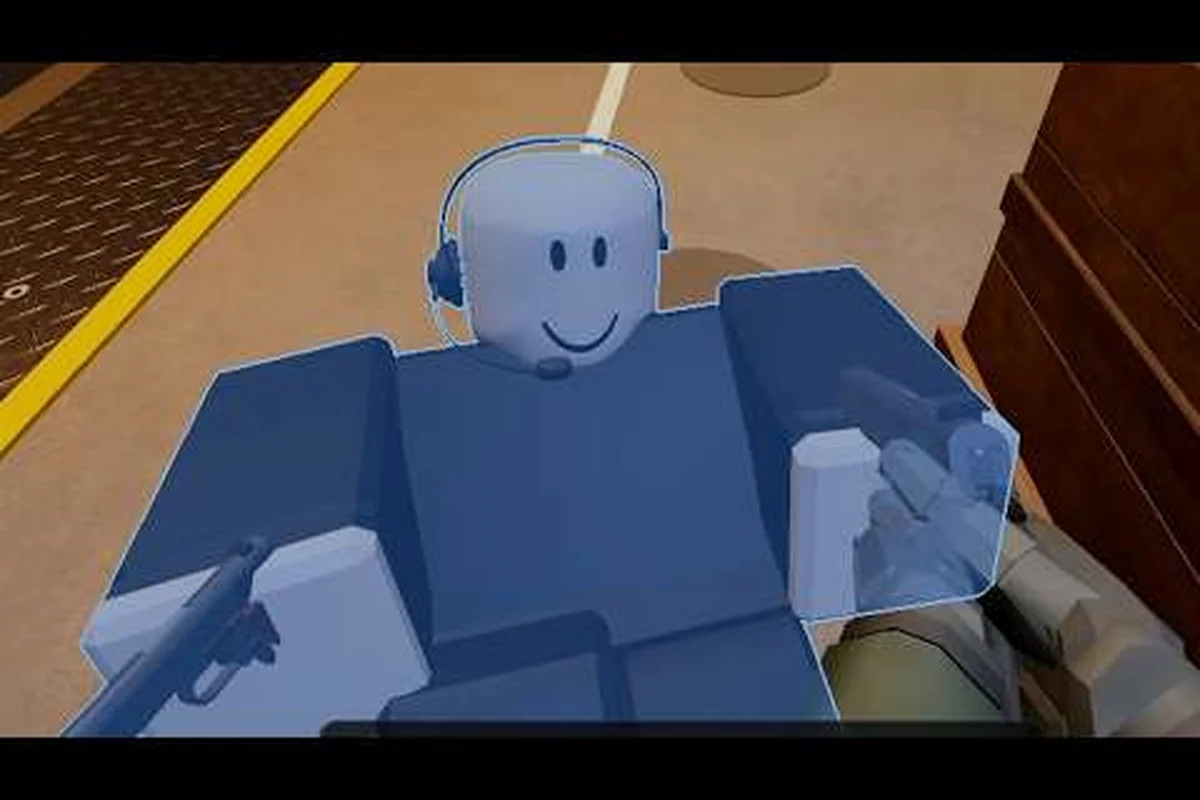
The REALISTIC HOME DEFENSE next update has become the most speculated topic in the community, with night vision and zombies dominating recent teaser discussion. Sorting real signals from hype matters because your current defense setup may need to change before the patch even lands.
Decoding REALISTIC HOME DEFENSE Next Update Teasers
Community reaction videos have driven most of the conversation this cycle. Two clips from the creator SecretWood anchor the current speculation: one showing SecretWood's night vision gameplay and another reacting to the teased zombie enemy type. Both point to the same two themes — a vision-limiting night phase and a new hostile entity type — without confirming a release window.
That matters because teaser content from creators is not a changelog. The videos show gameplay fragments and reactions, not patch notes, so treat every detail below as unconfirmed until an official announcement appears. Players who plan around rumors tend to over-invest in counters that never ship.
Here is how to read the current signal versus noise: weigh each teaser by how many independent clips show it and whether it appears in actual gameplay footage rather than a reaction overlay. Night vision goggles clear that bar because two separate SecretWood videos display them, which is why the table below rates them High confidence; the zombie-type intruders rest on a single clip and land at Medium, while the map rework and weapon rebalance have zero footage and sit at Low. In practice, a detail earns "likely" status only when it shows up across multiple sources and survives a frame-by-frame rewatch — anything short of that stays speculation until official patch notes confirm it.
| Teaser element | Confidence level | What it likely means |
|---|---|---|
| Night vision goggles | High — shown in multiple clips | A darkness phase where visibility is reduced |
| Zombie-type intruders | Medium — one reaction video | A new enemy behavior, possibly slower but more numerous |
| Map rework | Low — no footage | Speculation only, no supporting evidence |
| Weapon rebalance | Low — no footage | Unverified, community guesswork |
The practical takeaway is simple: prepare your base for low-light conditions and a potentially higher volume of intruders, but do not dismantle a working defense layout based on a reaction video alone. If you want a broader record of how past waves were documented, the version history rundown traces each prior patch and its actual shipped changes.
REALISTIC HOME DEFENSE Update History: How Past Patches Compared
Players who have tracked earlier cycles report that major features usually arrive with at least a small set of accompanying balance changes to keep the sandbox from breaking. The table below summarizes the general shape of recent waves based on community documentation rather than official patch notes:
| Update wave | Headline feature | Typical follow-up |
|---|---|---|
| Earlier content drop | Core defense tools | Minor tuning within weeks |
| Mid-cycle patch | New intruder behavior | Bug fixes for pathing |
| Recent wave | Vision and lighting tweaks | Balance pass on tool costs |
| Next update (teased) | Night vision goggles | Unknown — likely zombie tuning |
This is why the REALISTIC HOME DEFENSE recent changes discussion keeps circling back to lighting. Every time visibility is touched, defense layouts that relied on long sightlines suddenly lose value. If your current build assumes you can see the whole yard, that assumption is exactly what a night phase would challenge.
For a chronological breakdown of every documented patch, the update log keeps a running record you can cross-reference against the teasers. Comparing announced features to shipped features is the fastest way to calibrate how much weight to give new hype.
Why Lighting Changes Ripple Through Everything
Lighting is not a cosmetic toggle in a home defense game — it is the resource that decides how early you can react. A night phase effectively shortens your engagement window, which means reaction time becomes the limiting factor instead of raw firepower. Players who lean on early detection will feel this immediately; players who build layered defenses with fallback positions will adapt faster.
How Zombies Would Differ From Standard Intruders
The zombie hint is the murkier of the two teasers. A reaction video titled around zombies "sucking" suggests the creator was underwhelmed by what was shown or by how the mechanic plays. That is a useful signal: if the featured creator is skeptical, the feature may still be in early tuning. Zombie-style enemies typically trade speed for numbers, which would punish single-choke-point designs and reward redundant coverage.
REALISTIC HOME DEFENSE Bug Fixes and Balance Changes to Watch
Bug fixes rarely make headlines, but they decide whether a new feature feels good or broken on day one. Night vision goggles live or die on rendering and detection logic, so expect the first hotfix wave to target exactly those systems. Players who remember past launches know the pattern: the headline feature works, but the edge cases take a week or two to settle.
Here are the fix categories most likely to appear alongside the next update, based on how previous waves were handled: detection timing tops the list because a one-frame spotting delay under reduced light directly decides whether an intruder trips your tripwire alarm or slips past it, and goggle rendering artifacts during vision-mode swaps are the second most-reported issue in past hotfix threads. Lower-priority items like low-light pathing clips and audio cues that fail to scale with visibility tend to trail the first patch by a few days, while save stability after a mid-session vision toggle usually surfaces only once players start long defense runs.
-
Detection timing — enemies spotted a frame late or early under reduced light
-
Goggle rendering — visual artifacts when switching between vision modes
-
Pathing under low light — intruders clipping through props that are hard to see
-
Audio cues — footsteps or alerts not scaling with visibility changes
-
Save stability — load issues after a mid-session vision toggle
On the balance side, the REALISTIC HOME DEFENSE balance changes tied to a vision update usually touch tool costs and placement limits. If goggles become essential, their price point determines whether they are a mid-game upgrade or a mandatory early purchase. Community testing on earlier waves suggests the developer prefers to make new tools affordable at first, then tune upward once usage data arrives.
| Fix category | Likely priority | Player impact |
|---|---|---|
| Detection timing | High | Directly affects fairness |
| Goggle rendering | High | Visual clarity |
| Pathing under low light | Medium | Exploit prevention |
| Audio cues | Medium | Situational awareness |
| Save stability | Medium | Session reliability |
Watching the REALISTIC HOME DEFENSE update news channels in the first 48 hours after launch is the most reliable way to catch these fixes early. Hotfixes often land faster than the community expects, and a single detection patch can change which strategies are viable.
REALISTIC HOME DEFENSE What Is New: Preparing Your Base Now
The most useful question is not what the patch will contain, but what you can do today so the patch does not wreck your setup. The REALISTIC HOME DEFENSE what is new discussion gives you two concrete prep directions: build for darkness and build for volume.
Start with a lighting audit. Walk your perimeter and ask whether each defensive position still functions if you can only see a fraction of the distance. Positions that depend entirely on long-range spotting are the ones most exposed to a night phase. Add close-range coverage behind them so the defense does not collapse the moment sightlines shorten.
Then stress-test your choke points. If zombies arrive in larger numbers, a single funnel becomes a liability because it concentrates the threat exactly where you can only defend one at a time. Splitting entry paths and adding a second fallback layer costs resources now but pays off if the teaser turns out to be accurate.
-
Identify any defense that relies on long sightlines and add a short-range backup
-
Confirm every entry path has at least two layers of coverage
-
Stock resources for one extra tool purchase before the patch
-
Avoid selling off current gear until official notes confirm the meta shift
-
Re-check your layout after the first hotfix, not just on launch day
If you are early in progression and this all sounds like a lot, the new player walkthrough covers the foundational layout principles that make these adjustments much easier to apply. That guide matters most for players who have not yet unlocked the full tool roster, because the lighting audit and choke-point split both assume you already have spare resources to reallocate — something a fresh save typically lacks. Work through the walkthrough's starter layout first, then return to the two prep directions above once your base has a stable resource income and at least one fallback layer in place.
Budgeting for the Vision Upgrade
Assume goggles will cost something and plan a reserve. A reasonable approach is to keep roughly one upgrade's worth of resources liquid before the patch, so you can buy in immediately if the tool proves essential. If it turns out to be optional, you have lost nothing — you simply spend the reserve on your next priority.
Reading the Community Signal Without Overreacting
Reaction videos are entertainment first and information second. The two SecretWood clips are worth watching for a sense of tone and feature direction, but they are not evidence of final numbers. Cross-check any claim against a second source before you rebuild your base around it, and treat creator skepticism as a caution flag rather than a verdict.
Comparing Teased Features Against Shipped Reality
The REALISTIC HOME DEFENSE next update will almost certainly differ from the teasers, and that gap is where most player frustration comes from. A feature shown in a short clip is a proof of concept; a shipped feature has to survive balance passes, bug fixes, and player feedback. Understanding that pipeline helps you set realistic expectations.
| Stage | What you see | What it means for you |
|---|---|---|
| Teaser clip | Feature fragments | Direction, not final numbers |
| Announcement | Named features | Confirmed scope |
| Launch | Shipped build | Real balance values |
| First hotfix | Bug fixes | Stabilized experience |
| Balance pass | Tuning | Meta settles |
The most common mistake is treating the teaser stage as final. Players who rebuilt their entire base around a rumored mechanic often find the shipped version plays differently. A calmer approach is to make reversible changes — add coverage you can remove, keep resources flexible, and delay any expensive commitment until official notes appear.
The update overview is a good companion for tracking that progression from rumor to shipped build, since it consolidates each stage into a single reference you can check after launch. Read it against the table above rather than in isolation: when the overview lists a mechanic as "announced," treat it as confirmed scope only, and wait for the launch-stage balance values before you spend resources on it. Checking the same reference again after the first hotfix tells you whether a bug fix changed how a defense layer behaves — the point where a rumored trap or wall upgrade finally becomes safe to build around.
Frequently Asked Questions
When is the REALISTIC HOME DEFENSE next update releasing?
No official release date has been announced. Current discussion is based on community reaction videos showing night vision and zombie-themed content, which indicate direction rather than a schedule. Watch official channels for a confirmed window before planning any major base rebuild around the teasers.
Will night vision goggles be required after the update?
That depends on how the darkness phase is tuned. If visibility drops significantly, goggles become close to mandatory for early detection. Community testing on past waves suggests new tools launch affordable and get tuned later, so keeping a resource reserve is the safest preparation.
Are zombies confirmed as a new enemy type?
They appear in community teaser content but remain unconfirmed in official patch notes. A reaction video discussing zombies suggests the feature exists in some form, though its final behavior, numbers, and difficulty are unknown. Treat it as a strong hint rather than a confirmed addition.
How do I prepare my base for the REALISTIC HOME DEFENSE balance changes?
Audit your layout for long-sightline dependence, add close-range fallback coverage, and split any single choke point into two paths. Keep resources liquid for one extra tool purchase, and re-evaluate after the first hotfix rather than reacting to launch-day footage.
Where can I track REALISTIC HOME DEFENSE bug fixes after launch?
Follow official patch notes and community documentation in the first 48 hours, when hotfixes typically land. Detection timing, goggle rendering, and low-light pathing are the most likely early fix targets, and each one can shift which defensive strategies actually hold up in practice.
The REALISTIC HOME DEFENSE next update is best treated as a direction rather than a promise: night vision and zombies are the loudest signals, bug fixes and balance changes will decide how it actually feels, and the players who prepare with flexible, reversible adjustments will adapt fastest once official notes arrive.